

Have you noticed that your digestion feels different than it did in your 20s or 30s? Occasional bloating, irregular bowel movements, digestive discomfort, and changes in food tolerance can become more noticeable as you get older.
Maintaining good gut health after 40 is an important part of supporting overall wellness. Your digestive system is influenced by several factors, including diet, physical activity, sleep, stress, medications, and changes associated with aging.
The good news is that you can support your digestive health through practical everyday habits.
If you’re wondering how to fix gut health naturally after 40, this guide explores seven helpful lifestyle strategies, gut-friendly foods, probiotics, and dietary supplement considerations. We’ll also introduce GutSave as an option worth exploring for people interested in digestive wellness.
Let’s get started!

Why Gut Health Matters More After 40
Your gut contains trillions of microorganisms, collectively known as the gut microbiome. These microorganisms play important roles in digestion, nutrient metabolism, immune function, and other aspects of health.
As you age, changes in lifestyle, dietary habits, physical activity, medications, and the gut microbiome may influence digestive wellness.
Several factors can affect gut health after 40:
- Eating fewer fiber-rich foods.
- Consuming too many highly processed foods.
- Not drinking enough water.
- Experiencing ongoing stress.
- Getting insufficient sleep.
- Leading a sedentary lifestyle.
- Changes in medication or digestive function.
Understanding these factors is the first step toward learning how to improve gut health naturally.
7 Natural Ways to Improve Gut Health After 40
You don’t necessarily need an expensive wellness routine to start supporting your digestive system. Consistent, manageable lifestyle changes can make a meaningful difference.
Here are seven practical strategies worth incorporating into your daily routine.
1. Eat More Fiber-Rich Foods
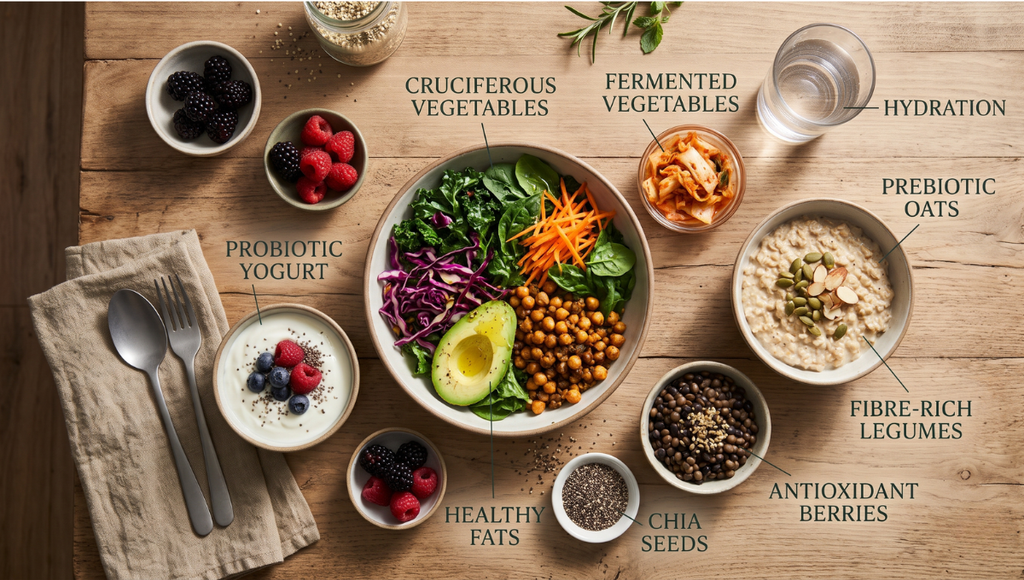
Dietary fiber is one of the most important components of a gut-friendly eating pattern.
Certain types of fiber help support regular bowel movements, while fermentable fibers provide nourishment for beneficial gut bacteria.
Try incorporating these foods into your meals:
- Oatmeal and whole grains.
- Apples, pears, and berries.
- Broccoli and leafy vegetables.
- Lentils, chickpeas, and beans.
- Chia seeds and flaxseeds.
Increase fiber gradually and drink enough water to help your digestive system adjust.
👉 Discover GutSave and Explore Your Gut Health Options
2. Include Fermented Foods in Your Diet
Fermented foods can be another useful addition to a balanced diet.
Some fermented foods contain live microorganisms that may support gut microbial diversity.
Consider adding:
- Plain yogurt containing live cultures.
- Kefir.
- Traditional fermented vegetables.
- Sauerkraut.
- Kimchi.
Choose products with appropriate ingredients and check labels for added sugar and sodium.
Remember that fermented foods are not suitable for everyone, particularly people with certain food intolerances.
3. Stay Properly Hydrated
Water plays an important role in digestion and helps fiber function effectively.
Insufficient fluid intake can contribute to constipation, especially when your diet contains a lot of fiber.
Simple hydration habits include:
- Drinking water throughout the day.
- Having a glass of water with meals.
- Keeping a reusable water bottle nearby.
- Eating water-rich foods such as cucumbers and watermelon.
Your hydration needs depend on your activity level, climate, and individual health circumstances.
👉 Explore Gut Health Support and Check GutSave Details
4. Prioritize Quality Sleep
Sleep is important for overall health, including the systems involved in digestion and metabolism.
Irregular sleep schedules and insufficient rest can also affect appetite, stress levels, and everyday food choices.
To support better sleep:
- Maintain a consistent bedtime.
- Reduce screen exposure before sleeping.
- Avoid heavy meals close to bedtime.
- Keep your bedroom comfortable and quiet.
- Develop a relaxing evening routine.
Aim for approximately seven to nine hours of sleep each night if appropriate for your individual needs.
5. Manage Everyday Stress
Stress can influence the gut-brain connection, which involves communication between your digestive system and brain.
For some people, stress may contribute to digestive symptoms or changes in bowel habits.
Try these simple stress-management techniques:
- Practice deep breathing.
- Take a relaxing daily walk.
- Spend time outdoors.
- Try meditation or mindfulness.
- Make time for hobbies and social activities.
Managing stress won’t solve every digestive problem, but it can be a valuable part of a healthier lifestyle.
👉 Visit the Official GutSave Website to Learn More
6. Exercise Regularly
Physical activity supports overall health and may help promote normal bowel function.
You don’t need an intense workout routine to get started.
Consider these activities:
- Walking for 20–30 minutes.
- Swimming.
- Cycling.
- Light resistance training.
- Gentle yoga and stretching.
Choose activities that match your fitness level and health needs. Consistency is more important than intensity.
7. Build a Balanced Eating Routine
What you eat regularly matters more than following a temporary restrictive diet.
A balanced eating pattern can provide the nutrients and dietary fiber your digestive system needs.
Try these habits:
- Eat a variety of vegetables and fruits.
- Choose whole grains more often.
- Include appropriate protein sources.
- Limit highly processed foods.
- Reduce excessive added sugar.
- Pay attention to foods that trigger discomfort.
Keeping a food and symptom diary may help you identify patterns and discuss them with a healthcare professional.
Can Gut Health Supplements Support Digestive Wellness?
Food and lifestyle habits should be the foundation of digestive wellness. However, some people also explore dietary supplements as part of their wellness routine.
Gut health supplements may contain different ingredients, including:
Probiotics: Live microorganisms that may provide health benefits when consumed in adequate amounts.
Prebiotics: Types of dietary fibers that beneficial microorganisms can use as nourishment.
Digestive enzymes: Substances that help break down specific components of food.
Other nutritional ingredients: Some formulations contain additional nutrients or botanical ingredients intended to support general wellness.
Not every supplement works the same way. Benefits depend on the specific ingredients, formulation, dose, and individual circumstances.
Before purchasing a supplement, check the ingredient list, serving instructions, safety information, and manufacturer details. Consult a qualified healthcare professional if you have a medical condition, take medication, or have persistent digestive symptoms.
GutSave: An Option Worth Exploring for Gut Health?
If you’ve been researching how to improve gut health naturally, you may have come across different digestive wellness supplements.
One product worth investigating is GutSave.
GutSave is a product you can research as part of your broader digestive wellness options. Before deciding whether it suits your needs, it’s important to understand its actual formulation and the manufacturer’s information.
Here are some things to investigate before purchasing:
- Ingredients: Review the complete ingredient list and quantities.
- Product purpose: Understand the manufacturer’s stated intended use.
- Serving instructions: Check how the manufacturer recommends using it.
- Safety information: Review warnings and potential ingredient interactions.
- Purchase information: Check the current price, package options, and refund policy directly with the seller.
Remember that dietary supplements are not intended to diagnose, treat, cure, or prevent diseases. Individual experiences can vary, and no supplement should replace a balanced diet or appropriate medical care.
👉 Check GutSave Official Website and Current Availability
If you’re considering GutSave, take the time to review the official product information and decide whether its ingredients and intended use align with your personal wellness needs.
Everyday Habits That Can Help Maintain Healthy Gut Bacteria
Supporting your gut microbiome isn’t about making one dramatic lifestyle change. It’s about building sustainable habits.
Here is a simple daily routine to consider:
| Time | Healthy habit |
|---|---|
| Morning | Drink water and enjoy a fiber-rich breakfast. |
| Midday | Eat vegetables, whole grains, and protein. |
| Afternoon | Take a short walk and stay hydrated. |
| Evening | Include a balanced dinner. |
| Night | Follow a relaxing sleep routine. |
Small changes practiced consistently can help support long-term digestive wellness.
👉 Discover More About GutSave for Digestive Wellness
Frequently Asked Questions About Gut Health After 40
1. How can I fix my gut health naturally after 40?
Start by eating more fiber-rich foods, drinking enough water, including suitable fermented foods, exercising regularly, and maintaining healthy sleep habits. Consistency is important for supporting digestive wellness.
2. How long does it take to improve gut health?
The timeline varies depending on your diet, lifestyle, digestive concerns, and individual health. Some changes in bowel habits may occur relatively quickly, while longer-term improvements depend on consistent habits.
3. What are the best foods for gut health after 40?
Fiber-rich foods such as oats, beans, lentils, berries, vegetables, and whole grains are useful choices. Fermented foods such as yogurt and kefir can also be included if tolerated.
4. Can probiotics help improve gut health?
Certain probiotic strains may provide benefits for specific digestive concerns. However, their effects vary depending on the strain and individual, so not every probiotic supplement offers the same benefits.
5. What are the signs of poor gut health?
Possible digestive symptoms include bloating, constipation, diarrhea, abdominal discomfort, and changes in bowel habits. These symptoms can have many causes and do not necessarily indicate a gut microbiome problem.
6. Are gut health supplements worth considering?
Some supplements may be useful depending on their ingredients, evidence, and individual needs. Compare formulations carefully and consult a healthcare professional before starting a new supplement.
👉 Visit GutSave’s Official Website for Product Details
Final Thoughts: Take Small Steps Toward Better Gut Health
Learning how to fix gut health naturally after 40 starts with understanding your daily habits and making practical improvements.
Eating fiber-rich foods, staying hydrated, including suitable fermented foods, exercising regularly, managing stress, and getting sufficient sleep are all useful ways to support digestive wellness.
You can also explore digestive health supplements such as GutSave, provided you carefully evaluate the ingredients, product information, and suitability for your needs.
The most important thing is to focus on sustainable habits rather than expecting overnight results.
If you’re curious about GutSave and want to learn more about its formulation and current purchasing options, explore the manufacturer’s official website before making a decision.
👉 Explore GutSave Official Website and See Today’s Offer
People Also Searching For:
How to Fix Gut Health Naturally: 7 Proven Tips
Affiliate disclosure: This article may contain affiliate links. If you purchase through these links, we may earn a commission at no additional cost to you. This does not influence our editorial recommendations.
Health disclaimer: This article is for informational and educational purposes only and is not a substitute for professional medical advice. Consult a qualified healthcare professional about persistent digestive symptoms or before starting a dietary supplement.
1 thought on “How to Fix Gut Health Naturally After 40”