

Pelvic Floor Exercises for Bladder Control: How to Do Them
Bladder leakage can be frustrating, especially when it happens during everyday activities such as coughing, sneezing, laughing, lifting, exercising, or rushing to the bathroom. One commonly recommended approach for improving bladder control is strengthening and properly coordinating the pelvic floor muscles.

Pelvic floor exercises for bladder control, including Kegel exercises, are designed to train the muscles that help support the bladder and control urine flow. With consistent practice and proper technique, these exercises may help some people improve urinary control.
This guide explains how pelvic floor exercises work, how to perform them correctly, common mistakes to avoid, and when it may be appropriate to seek professional advice.
👉 Discover Simple Exercises for Better Bladder Control
What Are Pelvic Floor Muscles?
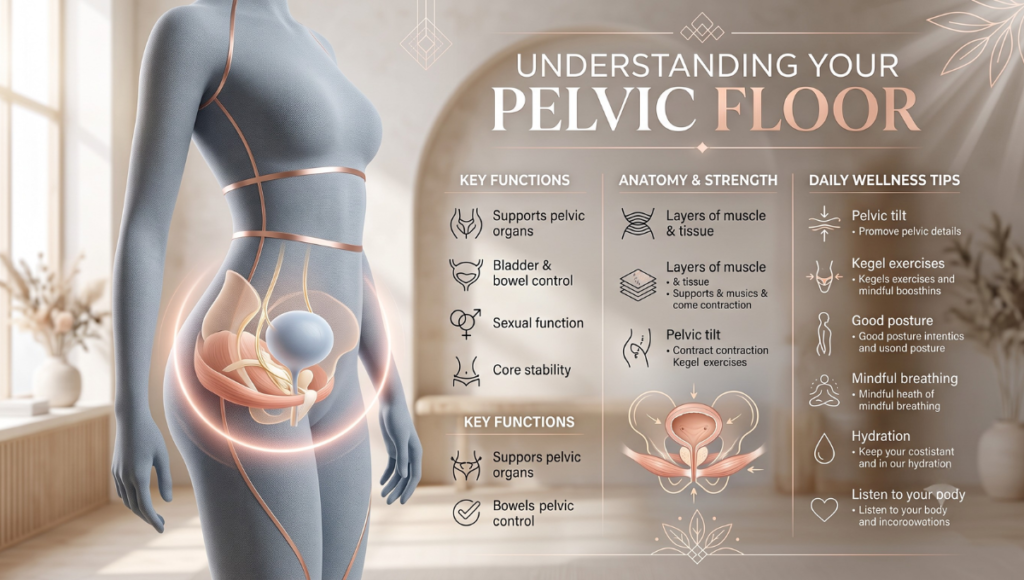
The pelvic floor is a group of muscles and connective tissues located at the bottom of the pelvis. These muscles help support organs in the pelvic area and play an important role in bladder and bowel control.
When the pelvic floor muscles contract, they can help provide support around the urethra and contribute to urinary control. When they relax, the muscles allow normal urination.
Pelvic floor muscle exercises are commonly recommended for both women and men who want to strengthen or better coordinate these muscles.
👉 Learn the Right Way to Strengthen Your Pelvic Floor
How Do Pelvic Floor Exercises Help Bladder Control?
Pelvic floor exercises, often called Kegels, involve repeatedly contracting and relaxing the pelvic floor muscles.
Strengthening these muscles may help improve the support and control involved in urination. They may be particularly useful for people experiencing occasional leakage associated with activities that increase pressure inside the abdomen, such as coughing, sneezing, laughing, or exercising.
However, bladder leakage can have different causes. Pelvic floor exercises are not appropriate as a substitute for medical evaluation when symptoms are persistent, severe, new, or accompanied by other concerning symptoms.
👉 See the Pelvic Floor Routine Women Are Talking About
How to Find Your Pelvic Floor Muscles
Before starting pelvic floor exercises, it is important to identify the correct muscles.
One way to understand their location is to imagine that you are trying to prevent yourself from passing gas while also gently stopping urine from escaping. The muscles you feel lifting or tightening are part of the pelvic floor.
You should be able to contract these muscles without strongly tightening your stomach, thighs, or buttocks.
Important: Do not routinely practice pelvic floor exercises by stopping your urine stream while using the bathroom. This can interfere with normal bladder emptying.
👉 Start Building Better Pelvic Floor Control Today
How to Do Pelvic Floor Exercises for Bladder Control
Once you can identify your pelvic floor muscles, you can begin with simple contractions.
1. Basic Kegel Exercise
Sit, stand, or lie down in a comfortable position.
Gently contract the pelvic floor muscles as though you are trying to prevent urine or gas from passing. Hold the contraction briefly, then completely relax the muscles.
Repeat the contraction and relaxation several times.
The goal is not to squeeze as hard as possible. Instead, focus on controlled contractions followed by complete relaxation.
2. Slow Pelvic Floor Contractions
Slow contractions focus on building muscular endurance.
Gently contract your pelvic floor muscles and hold the contraction for several seconds if comfortable. Then slowly release the contraction and rest.
As your coordination improves, you may gradually increase the duration of the contraction.
Avoid holding your breath or tightening other muscles unnecessarily.
3. Quick Pelvic Floor Squeezes
Quick contractions involve gently tightening and relaxing the pelvic floor muscles in short repetitions.
These exercises can help you practice quickly activating the pelvic floor.
For example, contract the muscles briefly, relax completely, and repeat several times.
Quality is more important than performing a large number of repetitions.
4. Pelvic Floor Exercises With Deep Breathing
Breathing normally while exercising can help prevent unnecessary tension.
Try taking a slow breath in while keeping your body relaxed. As you breathe out, gently contract your pelvic floor muscles. Then release the contraction and allow the muscles to relax.
This can help you become more aware of the relationship between breathing and pelvic floor movement.
5. Pelvic Floor Activation During Daily Activities
Another useful skill is learning to coordinate pelvic floor activation with activities that may increase abdominal pressure.
For example, some people practice gently engaging the pelvic floor before coughing, sneezing, or lifting.
The contraction should remain controlled rather than forceful.
If an exercise causes pain or significantly increases your symptoms, stop and consider discussing the technique with a qualified healthcare professional or pelvic floor physical therapist.
👉 Learn These Simple Moves for Bladder Support
How Often Should You Do Pelvic Floor Exercises?
Consistency is generally more useful than doing a large number of exercises occasionally.
A simple routine can include several controlled contractions followed by complete relaxation. As your technique improves, you can gradually develop a regular pelvic floor exercise routine.
Avoid the temptation to continually increase the number of repetitions. The pelvic floor needs both contraction and relaxation, and excessive tightening may not be appropriate for everyone.
If you’re unsure how frequently you should exercise, particularly if you have pelvic pain, difficulty relaxing the muscles, or worsening urinary symptoms, seek individualized guidance from a healthcare professional.
👉 Discover How to Practice Kegels Correctly
Common Pelvic Floor Exercise Mistakes
Even simple Kegel exercises can be performed incorrectly. Avoid these common mistakes:
Tightening the Wrong Muscles
Try not to strongly squeeze your stomach, thighs, or buttocks. Concentrate on the pelvic floor.
Holding Your Breath
Continue breathing normally during the exercises.
Squeezing Too Hard
A stronger contraction is not necessarily a better contraction. Focus on control and proper relaxation.
Forgetting to Relax
Relaxation is an important part of pelvic floor training. Avoid keeping the muscles continuously contracted.
Practicing While Urinating
Pelvic floor exercises should not become a routine practice of stopping and starting the urine stream.
Expecting Immediate Results
Pelvic floor muscle training requires consistency. Individual results can vary depending on the underlying cause of bladder symptoms, exercise technique, and other factors.
👉 See Which Pelvic Floor Exercises You Can Try
How Long Does It Take for Pelvic Floor Exercises to Work?
There is no universal timeline for improvement.
Some people may notice changes gradually as they become better at identifying and controlling their pelvic floor muscles. Others may require a longer period of consistent training.
The underlying cause of bladder leakage also matters. Stress urinary incontinence, urinary urgency, pelvic floor dysfunction, medications, neurological conditions, infections, and other factors can contribute to bladder symptoms.
For that reason, avoid claims that pelvic floor exercises will eliminate bladder leakage within a specific number of days.
If symptoms are not improving or are interfering with daily life, professional assessment can help determine whether additional treatment or pelvic floor physical therapy is appropriate.
👉 Take the First Step Toward Better Bladder Control
Pelvic Floor Exercises for Women and Men
Pelvic floor exercises are not exclusively for women.

Women may experience pelvic floor changes related to pregnancy, childbirth, menopause, aging, or other factors.
Men may also experience urinary leakage or pelvic floor weakness, including after certain prostate procedures or with aging.
Although the basic concept of pelvic floor muscle training is similar, the most appropriate exercise routine can vary from person to person.
👉 Learn the Mistakes That Can Undermine Your Routine
When Should You Talk to a Healthcare Professional?
Occasional bladder leakage can have many possible causes, so persistent symptoms deserve attention.
Consider speaking with a healthcare professional if you experience:
- Frequent or worsening urine leakage
- Pain while urinating
- Blood in the urine
- Sudden changes in bladder habits
- Difficulty emptying your bladder
- Pelvic pain
- Significant urinary urgency or frequency
- Symptoms that interfere with your daily activities
A healthcare professional can help identify the potential cause and determine whether pelvic floor exercises, bladder training, lifestyle changes, medication, physical therapy, or another approach may be appropriate.
👉 Explore Simple Pelvic Floor Exercises for Women
Frequently Asked Questions
Can pelvic floor exercises improve bladder control?
Pelvic floor muscle exercises can help strengthen and improve control of the muscles involved in urinary function. They may be useful for some types of urinary leakage, although results vary from person to person.
What is the best exercise for bladder leakage?
Kegel exercises are one of the most commonly recommended pelvic floor exercises for bladder control. Correct technique is important, and the appropriate exercise program depends on the individual’s symptoms and pelvic floor function.
How many Kegels should I do each day?
There is no single number that is appropriate for everyone. Start with controlled contractions and focus on proper technique and complete relaxation rather than simply maximizing repetitions.
How long does it take for pelvic floor exercises to work?
Improvement can take time and varies between individuals. Consistency, correct technique, and the underlying cause of bladder symptoms can all affect progress.
Can men do pelvic floor exercises?
Yes. Men can perform pelvic floor muscle exercises, and they may be recommended for certain urinary control problems.
Can women do pelvic floor exercises?
Yes. Pelvic floor exercises are commonly used by women to strengthen and improve control of the pelvic floor muscles.
Can Kegels make bladder problems worse?
Performing exercises incorrectly or excessively tightening the pelvic floor may not be appropriate for everyone. People with pelvic pain, difficulty relaxing their pelvic floor, or worsening symptoms should seek professional guidance.
Should I do Kegels while urinating?
No. Regularly stopping your urine stream to exercise the pelvic floor is not recommended. Pelvic floor exercises should generally be performed when you are not urinating.
👉 Discover a Smarter Approach to Pelvic Floor Training
The Bottom Line
Pelvic floor exercises for bladder control can be a practical part of a bladder-health routine for some people. Kegels and other pelvic floor exercises focus on controlled contraction and relaxation of the muscles that contribute to urinary control.
The key is to use the correct muscles, breathe normally, avoid excessive squeezing, and allow the pelvic floor to fully relax between contractions.
If bladder leakage is persistent, worsening, painful, or affecting your quality of life, don’t rely solely on exercises. A healthcare professional can help identify the underlying cause and recommend an appropriate treatment plan.
👉 See How to Build a Consistent Pelvic Floor Routine
This article is for educational purposes only and is not a substitute for individualized medical advice, diagnosis, or treatment.